
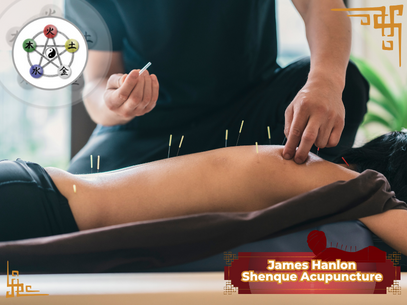
Acupuncture, an ancient practice rooted in traditional Chinese medicine, has increasingly gained recognition and popularity in Western society. As individuals seek alternative approaches to wellness and symptom management, the role of the acupuncturist becomes a subject of curiosity and intrigue. In this article, we embark on a journey to demystify the intricate work of these skilled practitioners, shedding light on their techniques, training, and the principles that underpin their craft.
As we delve into the multifaceted realm of acupuncture, it is crucial to understand its fundamental principles. Acupuncturists operate on the premise that vital energy, or "qi," flows through meridians in the body. By stimulating specific points along these pathways with fine needles, they aim to restore harmony and balance within the individual. Furthermore, this holistic approach considers not only physical symptoms but also encompasses mental and emotional well-being as integral components of overall health.
Moreover, exploring the intricacies of an acupuncturist's practice unveils a rich tapestry of skills honed through rigorous education and training. From mastering precise needling techniques to cultivating a deep understanding of traditional Chinese medical theories, these professionals exemplify a fusion of artistry and scientific proficiency. Through this exploration, we aim to provide insight into the comprehensive scope of an acupuncturist's responsibilities and abilities in promoting holistic wellness.
What Does an Acupuncturist Really Do
You know, I've always been a bit curious about acupuncture - what does an acupuncturist actually do? Well, it turns out that these practitioners use thin needles to stimulate specific points on the body in order to promote natural healing. It's a key part of traditional Chinese medicine and has been used for centuries. Acupuncture benefits include pain management techniques, holistic healing, and restoring energy balance in the body.
When you think about it, acupuncture is really all about treating the body as a whole - not just focusing on specific symptoms or areas. That's why many people turn to acupuncture for everything from chronic pain to stress relief. And did you know that acupuncturists go through extensive traditional medicine education and training before they can practice? It's true – they study the principles of energy balance and learn how to use these tiny needles to help the body heal itself.
In fact, research has shown that acupuncture benefits go beyond just pain relief - it can also help with things like improving sleep, reducing inflammation, and even promoting emotional well-being. It's fascinating how this ancient practice continues to be relevant today! Speaking of which, want to learn more about the history and origins of acupuncture?
History and Origins of Acupuncture
As we continue our journey to uncover the ancient origins and holistic healing practices of acupuncture, it's fascinating to delve into the rich history of this traditional therapy technique. The roots of acupuncture can be traced back to its origins in ancient Chinese practices, where medicinal needle use was believed to balance the flow of energy, or "qi," within the body. This concept is deeply embedded in the history of eastern medicine, emphasizing a holistic approach to healing that considers the interconnectedness of mind, body, and spirit.
The history and origins of acupuncture reveal a profound understanding of health and wellness that transcends time and culture. It's intriguing to explore how these traditional therapy techniques have endured through centuries, evolving and adapting while retaining their core principles. As we unravel the mysteries behind what an acupuncturist really does, we gain a deeper appreciation for the complexities and wisdom inherent in this ancient practice.
As we transition into exploring the techniques and tools used in acupuncture, it becomes evident that each aspect of this therapeutic art has been meticulously refined over centuries. From the placement of needles to specialized tools utilized for specific treatments, every element reflects a meticulous understanding of the human body's energetic balance. Now let's delve into the practical application of these techniques as we uncover how acupuncturists harness their skills to promote holistic well-being.
Techniques and Tools Used in Acupuncture
After delving into the history and origins of acupuncture, let's explore the techniques and tools used in this ancient practice. Acupuncturists employ a variety of needle insertion techniques to stimulate specific points on the body, aiming to restore balance and promote healing. From traditional hand-inserted needles to electroacupuncture methods that involve a mild electric current passing between pairs of needles, each technique serves a unique purpose based on individual needs.
In addition to needle insertion, acupuncturists may also utilize moxibustion therapy, which involves burning dried mugwort near certain acupuncture points to warm them and promote circulation. Another modality you might encounter during an acupuncture session is cupping, where suction is created on the skin's surface using glass or silicone cups. This technique is believed to help relieve muscle tension and improve blood flow.
Furthermore, some practitioners may incorporate auricular acupuncture, focusing specifically on the ear for treatment. This approach is based on the belief that the ear represents a microsystem of the whole body, and stimulating specific points in the ear can have systemic effects.
As we transition into exploring the conditions treated with acupuncture, it becomes evident that these techniques highlight the diverse approaches within this holistic practice.
Conditions Treated With Acupuncture
Moving on from the various techniques and tools used in acupuncture, let's explore the wide range of conditions that can be effectively treated with this ancient practice. Acupuncture is not just about relieving pain; it has been found to be beneficial for stress relief, managing allergy symptoms, addressing sleep disorders, and promoting digestive health. The versatility of acupuncture in addressing such diverse issues is truly remarkable.
Many people initially seek out acupuncture for pain management, as it has shown great success in alleviating various types of pain, including chronic and acute conditions. Additionally, acupuncture has been widely embraced as a holistic approach to stress relief. It's amazing how the strategic placement of needles can help release tension and promote relaxation throughout the body.
In addition to pain management and stress relief, acupuncture can also target allergy symptoms by helping to regulate the immune system's response. Furthermore, individuals struggling with sleep disorders may find relief through acupuncture treatments that aim to rebalance the body's natural rhythms. Digestive health is another area where acupuncture has shown promise by aiding in digestion and relieving gastrointestinal discomfort.
As we delve further into exploring the benefits of acupuncture for these various conditions, it becomes evident that this ancient practice offers a wealth of potential for holistic healing. Now let's take a closer look at what actually transpires during a typical acupuncture session.
Transitioning into the process of a typical acupuncture session...
The Process of a Typical Acupuncture Session
After discussing the various conditions that can be treated with acupuncture, let's take a look at what typically happens during a session. The acupuncturist will first spend some time getting to know you and your specific health concerns. This may involve asking questions about your medical history, lifestyle, and any current symptoms you're experiencing.
Once the acupuncturist has a good understanding of your needs, they will guide you through the preparation steps for the session. This could include finding a comfortable position for you to lie or sit in and creating a relaxing environment using calming techniques such as soft music or dim lighting. Patient comfort is key during the entire process.
Next, the acupuncturist will identify the specific points on your body where the needles will be inserted. These needle insertion points are based on traditional Chinese medicine principles and are believed to correspond to different organ systems and energy pathways in the body. The needles used are very thin, so most people only feel a slight sensation when they're inserted.
After the needles are in place, you'll typically rest for around 20-30 minutes while they work their magic. Once the needles are removed, your acupuncturist may offer post-treatment recommendations such as drinking plenty of water or avoiding strenuous activity for a few hours. They'll also discuss follow-up scheduling methods to ensure you get the most benefit from your treatments.
As we move into understanding the science behind acupuncture, it's important to recognize that every step of an acupuncture session is carefully designed to promote relaxation and healing.
Understanding the Science Behind Acupuncture
So you're probably wondering, what's the deal with acupuncture? Well, beyond just sticking needles into your skin, acupuncturists are trained in a whole holistic system of healing that has been around for thousands of years. Acupuncture is all about restoring the flow of energy in your body to promote wellness and alleviate various health issues.
During a session, the acupuncturist carefully selects specific points on your body to insert ultra-thin needles. By targeting these points, they aim to restore the natural flow of energy, known as qi (pronounced "chee"), throughout your body. This can help with a wide range of concerns, from chronic pain to stress relief and even boosting your immune system.
For those dealing with chronic pain, acupuncture offers an alternative approach to traditional Western medicine. By addressing energy imbalances in the body, acupuncturists strive for overall wellness rather than just symptom management. This holistic approach can also provide strategies for stress relief by targeting specific points that correspond to relaxation and emotional well-being. It's truly a fascinating practice that continues to provide solutions for various health challenges.
Acupuncture is not just about alleviating symptoms; it's about promoting overall well-being through natural and time-tested methods. Understanding this ancient practice allows us to tap into its potential for holistic healing approaches that address a wide array of physical and emotional concerns.
So, now you have a better idea of what acupuncturists actually do and why this ancient practice has been gaining popularity. The history and origins of acupuncture show us that it's been around for a long time, with various techniques and tools being used to treat a wide range of conditions. Conditions like chronic pain, anxiety, infertility, and even side effects from cancer treatment can be improved with acupuncture.
Considering giving acupuncture a try? Understanding the science behind it can be helpful. Knowing how inserting needles into specific points on the body stimulates nerves and muscles to release natural painkillers is pretty fascinating stuff! Remember, when considering acupuncture, always consult a licensed professional to guide you through the process.
So whether you're seeking relief for a specific health issue or simply looking to improve your overall well-being, exploring the world of acupuncture might just be worth your while!