Pool Safety
Importance of Pool Safety
Pool safety is crucial for preventing accidents and ensuring a fun and enjoyable experience for everyone. One of the most significant risks associated with pools is drowning, which can happen quickly and silently. Additionally, pools can also be a source of other injuries, such as slips, trips, and falls, as well as electrocution and entrapment. By learning more about Pool Safety, pool owners and users can help to minimize the risks and create a safe environment for everyone.
Pool Safety Equipment
Having the right pool safety equipment is essential for preventing accidents and responding to emergencies. Some of the most critical pieces of equipment include:
Pool Fences
A pool fence is a barrier that surrounds the pool and prevents unauthorized access. It should be at least 4 feet tall and have a self-latching gate that is out of reach of children.
Pool Covers
A pool cover is a barrier that fits over the pool and prevents access to the water. It should be strong enough to support the weight of a child or adult and be made of a durable material that can withstand the elements.
Pool Alarms
A pool alarm is a device that sounds an alert when someone enters the pool. It can be installed in the pool or on the surrounding fence and is an excellent way to detect potential accidents.
Pool Safety Rules
Establishing pool safety rules is essential for preventing accidents and ensuring a fun and enjoyable experience for everyone. Some of the most critical rules include:
Supervision
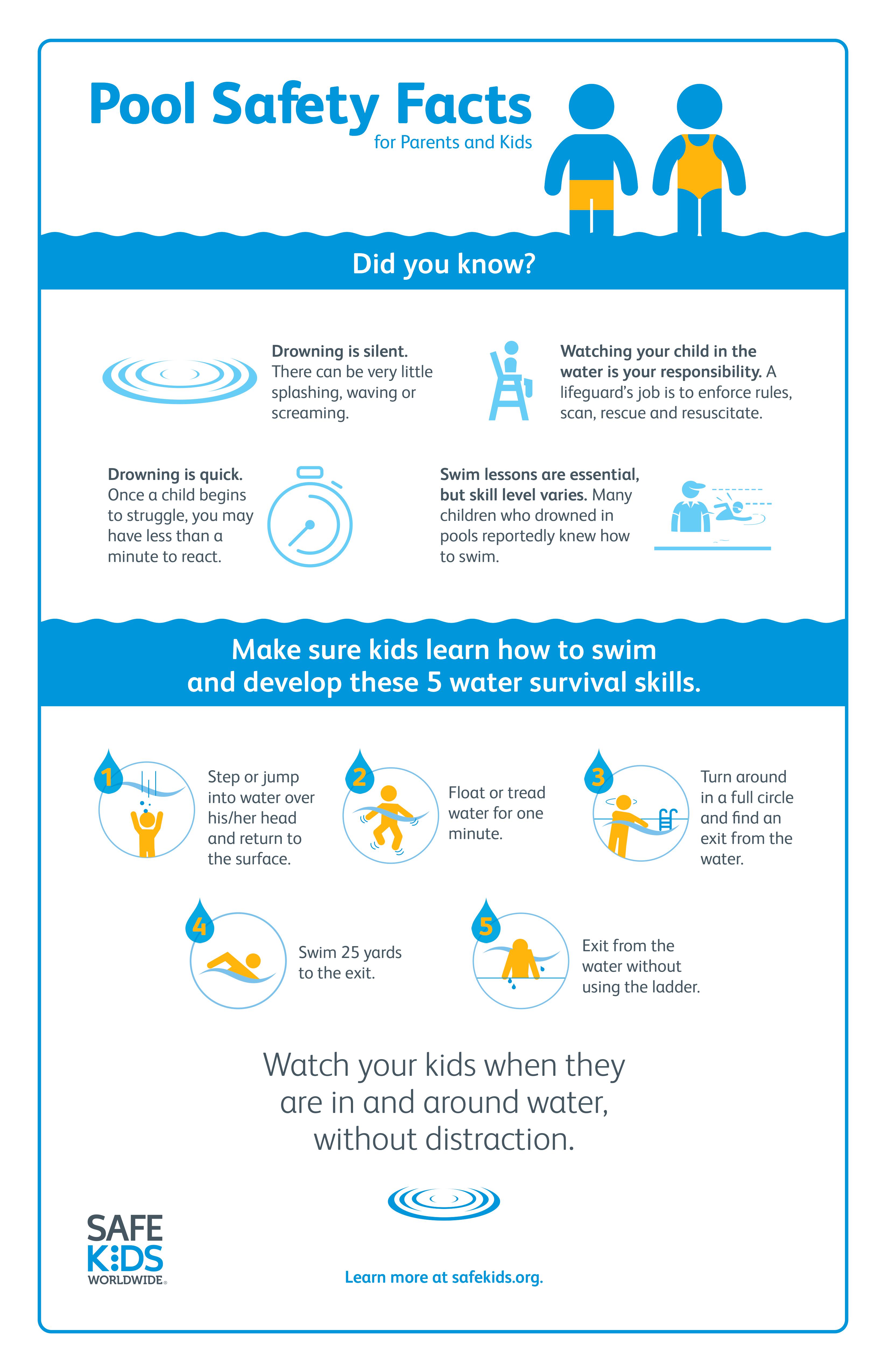
Adult supervision is essential when children are using the pool. An adult should be present at all times and be able to see the pool and respond quickly in case of an emergency.
Swimming Lessons
Swimming lessons are critical for teaching children how to swim and respond to emergencies. They should be taken by a qualified instructor and include instruction on water safety and rescue techniques.
No Running or Horseplay
Running or horseplay around the pool can lead to slips, trips, and falls, as well as other accidents. It is essential to establish rules that prohibit this type of behavior and ensure that everyone is aware of the potential risks.
Pool Maintenance
Regular pool maintenance is essential for ensuring a safe and healthy swimming environment. This includes:
Chemical Testing
Regular chemical testing is critical for ensuring that the water is safe and healthy. The pH and chlorine levels should be tested regularly, and adjustments made as necessary.
Cleaning
The pool and surrounding area should be cleaned regularly to prevent the buildup of dirt and debris. This includes skimming the surface, vacuuming the floor, and cleaning the surrounding deck and furniture.
Common Pool Hazards
There are several common pool hazards that can lead to accidents and injuries. These include:
Slippery Surfaces
Slippery surfaces around the pool can lead to slips, trips, and falls. It is essential to ensure that the surrounding deck and furniture are clean and dry and that any slippery areas are marked with warning signs.
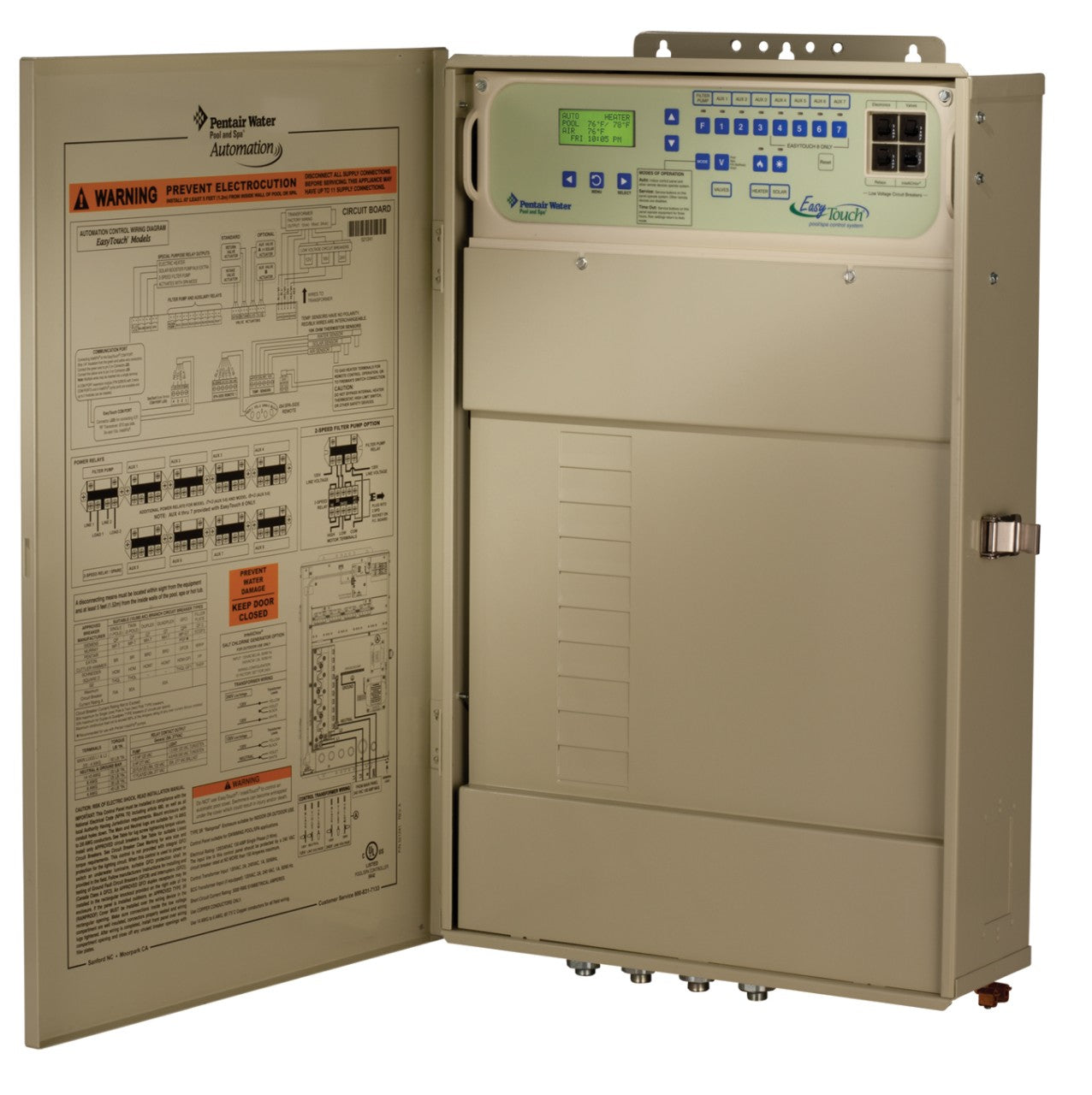
Electrical Equipment
Electrical equipment around the pool can be a source of electrocution. It is essential to ensure that all equipment is installed and maintained properly and that any electrical outlets or switches are located at a safe distance from the pool.
Pool Safety for Different Age Groups
Pool safety is essential for all age groups, but the risks and precautions vary depending on the age of the pool user. For example:
Children Under 14
Children under 14 are at the highest risk of drowning and should be supervised at all times when using the pool. They should also be taught water safety and rescue techniques and be enrolled in swimming lessons.
Adults
Adults should also be aware of the potential risks associated with pools and take steps to minimize them. This includes supervising children, following pool safety rules, and being aware of their own limitations and health conditions.
Conclusion
Pool safety is essential for preventing accidents and ensuring a fun and enjoyable experience for everyone. By taking the necessary precautions, being aware of the potential hazards, and establishing pool safety rules, pool owners and users can help to minimize the risks and create a safe environment for everyone.
FAQs
What is the most critical piece of pool safety equipment?
A pool fence is the most critical piece of pool safety equipment, as it provides a barrier to prevent unauthorized access to the pool.
How often should I test the chemical levels in my pool?
The chemical levels in your pool should be tested regularly, at least once a week, to ensure that the water is safe and healthy.
What is the best way to prevent slips, trips, and falls around the pool?
The best way to prevent slips, trips, and falls around the pool is to ensure that the surrounding deck and furniture are clean and dry and that any slippery areas are marked with warning signs.
Can I use a pool alarm as a substitute for supervision?
No, a pool alarm should not be used as a substitute for supervision. Adult supervision is essential when children are using the pool, and a pool alarm should be used as an additional layer of protection.
How often should I clean my pool?
The pool and surrounding area should be cleaned regularly, at least once a week, to prevent the buildup of dirt and debris.
Good Vibes Pool Service
3450 Palmer Dr. #4-262
Cameron Park, CA 95682
(530) 883-0715
info@goodvibespoolservices.com